
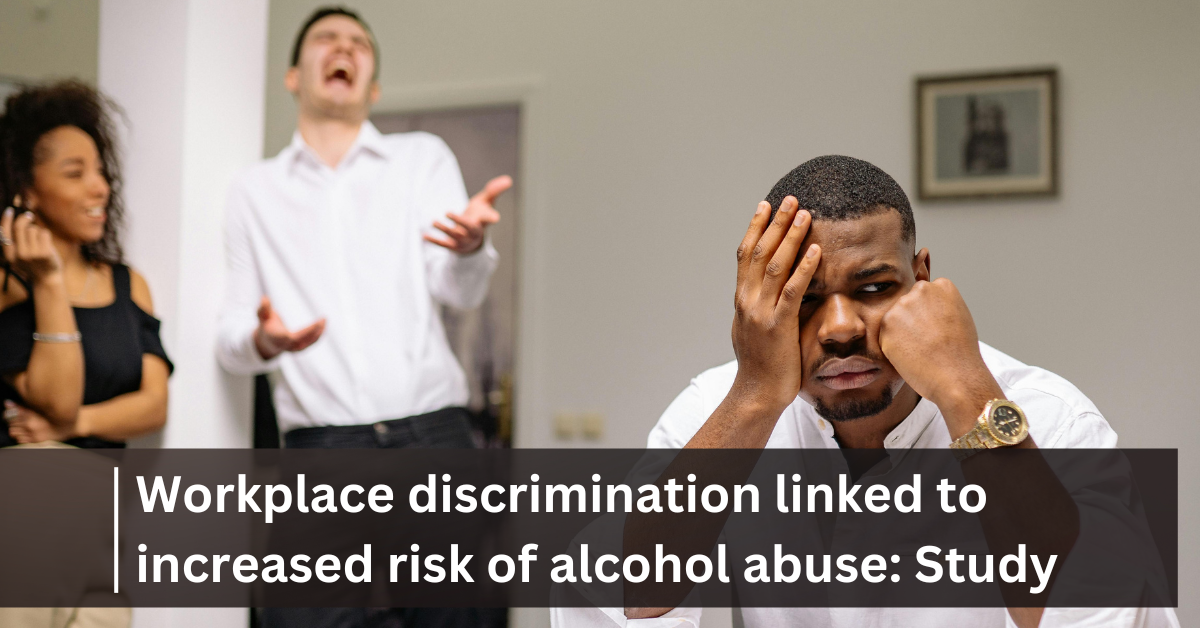
According to the results of a recently published study, workplace discrimination is associated with a significantly increased risk for alcohol abuse among U.S. workers. The study, carried out by researchers from Germany and the U.S., was published in the peer-reviewed journal Psychiatry Research.
The research study participants included 1097 workers from the Midlife in the United States (MIDUS) study without alcohol abuse at baseline (2004–2006), who were followed up in 2013–2014. As part of the study, workplace discrimination was evaluated using a validated 6-item questionnaire capturing experiences such as unfair job assignments, workplace slurs, feeling ignored by supervisors, or promotion inequities.
It was found that the risk of alcohol abuse was increased 2.6-fold in individuals reporting high workplace discrimination as compared to those with low levels. The results also revealed that this relationship did not differ between women and men. In addition, it was found that distress accounted for a 14.47% increase in high workplace discrimination risk ratios.
“Our findings suggest that workplace discrimination is an important risk factor for alcohol abuse among US workers, highlighting the need for organizational interventions to address discrimination at the workplace,” concluded the authors. “Our findings highlight the need for workplace anti-discrimination policies and interventions. Companies should routinely monitor workplace discrimination (e.g., using anonymous staff surveys) to identify whether interventions are needed and to evaluate their impact.”
Moreover, the authors recommend several practical measures to reduce workplace discrimination and its harmful consequences, including the risk of alcohol abuse among employees. The recommendations included increasing awareness through training for managers and staff to promote team cohesion, improving transparency and standardization in processes such as hiring, promotion, termination, and task allocation, and establishing confidential channels where employees can report incidents, seek advice, request mediation, or initiate formal complaints.