
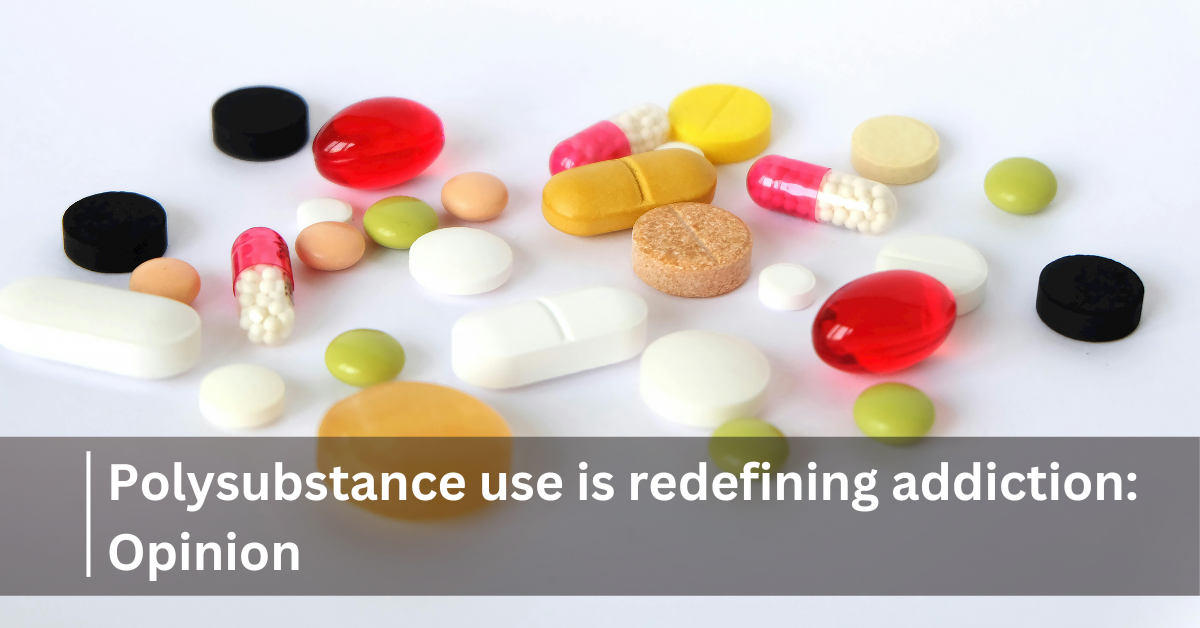
A recent opinion article published by Psychology Today and authored by Dr. Mark S. Gold discussed how addiction is increasingly being considered as a unified disorder characterized by polysubstance use. Specifically, recent research from National Institute on Drug Abuse (NIDA) suggests that addiction is increasingly being understood as a shared vulnerability expressed through the use of multiple substances rather than separate substance-specific disorders. Moreover, large population studies found that polysubstance use is now the dominant pattern among people with substance use disorders, particularly when nicotine and cannabis are also considered.
Research has also shown that early substance use, particularly before the age of 18 years, is associated with a greater risk and severity of substance use disorders later in life, while delaying use until adulthood is linked to lower addiction rates. In addition, Dr. Gold also noted that genetic and neurobiological factors underlying addiction are largely shared across substances, suggesting a common vulnerability involving reward processing, impulsivity, stress response, and executive control.
“These new data support a complete reframing of diagnosis and expectations. The designation of a ‘primary’ substance persists because it’s operationally useful,” wrote Dr. Gold. “Rather than a DSM with multiple independent substance use disorders, it’s more accurate to conceptualize one SUD with polysubstance expressions.”
Although addiction treatment and diagnostic systems still focus on individual substances, polysubstance use has increasingly become the dominant pattern among people with substance use disorders. Moreover, the rise of fentanyl contamination and overlapping drug use has blurred the boundaries between traditionally separate addiction categories such as opioid, alcohol, and stimulant use disorders.
Dr. Gold also suggested that addiction prevention should focus on delaying early exposure to commonly used substances such as alcohol, nicotine, and cannabis to reduce long-term addiction risk. The article also argues that diagnosis and treatment should shift away from substance-specific models toward approaches that recognize shared addiction vulnerabilities and polysubstance involvement. Specifically, he recommends a more integrated, person-centered framework that targets the underlying neurobiological mechanisms driving addiction across multiple substances.
“Today, the challenge is moving beyond substance-specific silos toward recognizing addiction as a unified disorder rarely confining itself to one drug or one psychiatric presentation,” he wrote. “Specific substances may change across situations and time, but the underlying addictive vulnerability remains the same.”